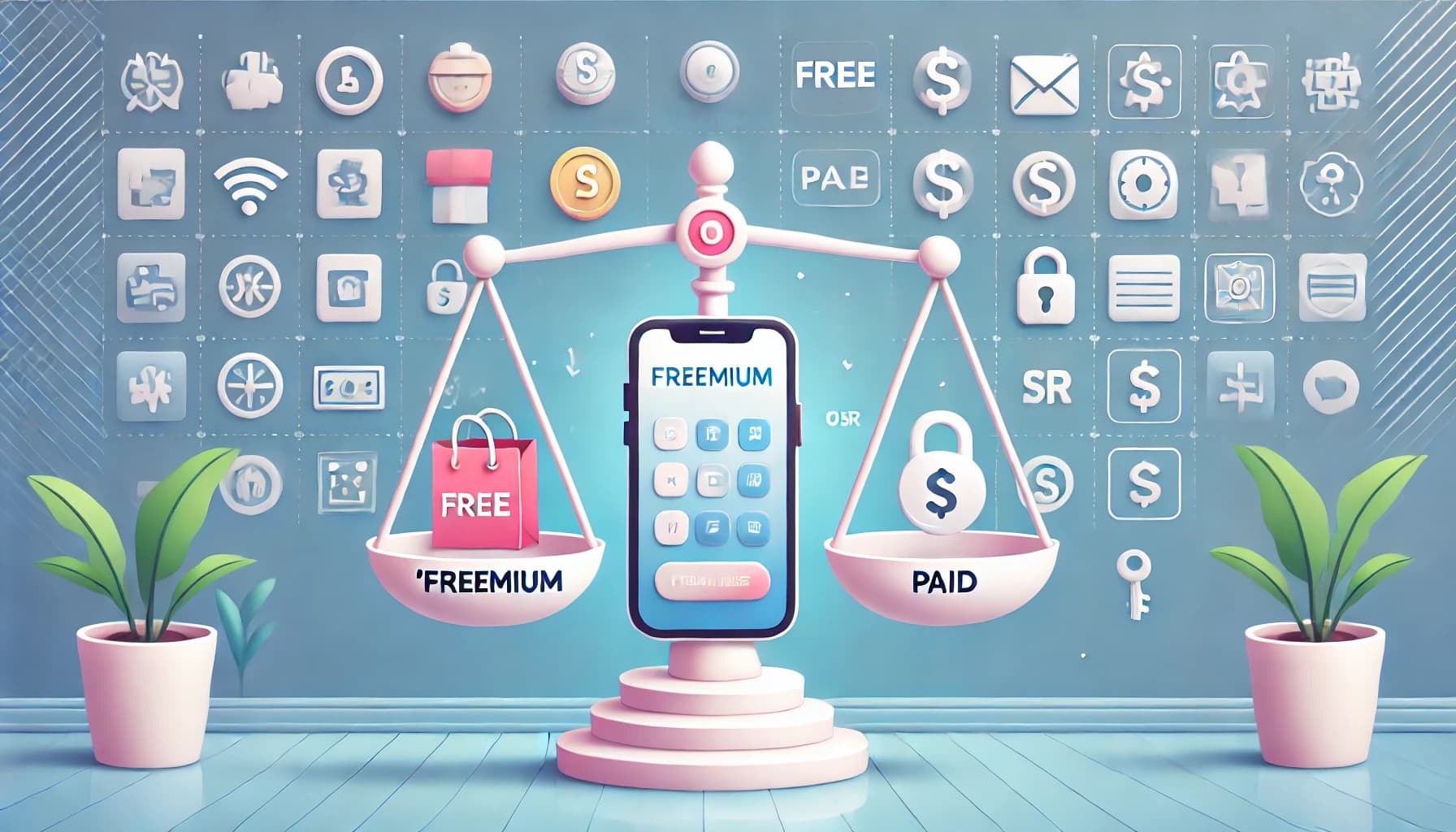
Building an app is only half the battle; understanding what is monetization strategy for apps and choosing the right one is equally crucial. One of the biggest decisions app creators face is whether to adopt a freemium model or a paid model. Each approach has its advantages, and the best monetization model for apps depends on your app’s features, target audience, and long-term goals. In this post, we’ll break down the differences, pros, and cons of these two popular strategies to help you make an informed decision. --- ## What Is the Freemium Model? The freemium model allows users to download and use your app for free, with optional in-app purchases, subscriptions, or premium features available for a fee. Popular apps like Spotify, Duolingo, and Canva thrive on this model by offering a solid free tier to attract users and a paid tier to generate revenue. ### Pros of the Freemium Model - Larger User Base: Free apps lower the barrier to entry, encouraging more downloads and users. - Upselling Opportunities: Once users experience your app, they’re more likely to pay for premium features or upgrades. - Wider Reach: With no upfront cost, your app has a better chance of going viral or being widely shared. ### Cons of the Freemium Model - High Conversion Challenge: Only a small percentage of users typically upgrade to the paid version. - Cost of Free Users: Maintaining a large free user base can increase server, support, and development costs. - Complex User Experience: Striking a balance between free and premium features without frustrating users can be tricky. --- ## What Is the Paid Model? The paid model requires users to purchase the app upfront to access its features. Paid apps often cater to niche audiences and focus on delivering exceptional value to justify the price tag. Examples include premium tools like Procreate or niche fitness apps. ### Pros of the Paid Model - Immediate Revenue: Every download directly contributes to your income. - Targeted Audience: Paid apps often attract more engaged users who are serious about the app’s purpose. - Simplified Development: No need to worry about designing a free tier or in-app purchase systems. ### Cons of the Paid Model - Higher Barrier to Entry: Users are less likely to download an app they must pay for without experiencing it first. - Limited Audience: Your app may reach fewer users compared to a free alternative. - Dependence on Reviews: Paid apps often rely heavily on positive reviews and ratings to attract new users. --- ## Key Factors to Consider When Choosing the Best Monetization Model for Apps Before deciding between freemium and paid, consider these key factors: ### 🎯 Target Audience - If your app targets a wide audience or casual users, freemium can help you build a large user base. - If your app is niche and caters to professionals or enthusiasts, a paid model might resonate more. ### 💡 Value Proposition - Freemium works best if your app can offer meaningful value in its free tier while reserving premium features for paid users. - Paid apps should provide exceptional value upfront to justify the cost. ### 📊 Competition - Research your competitors’ pricing models. - If similar apps are free, a paid model might struggle unless your app offers significant differentiation. ### 💸 App Maintenance Costs - Freemium apps often incur higher ongoing costs to support free users. - Paid apps generate upfront revenue that can fund development and maintenance. ### 🚀 Long-Term Goals - Freemium can help build a massive user base that you can monetize over time through ads, subscriptions, or upgrades. - Paid apps are ideal for creators seeking immediate returns or focusing on niche markets. --- ## Hybrid Approaches: The Best of Both Worlds If you’re torn between freemium and paid, consider a hybrid approach: - Free Trial for Paid Apps: Allow users to try your app for free before committing to a purchase. - Freemium with Paid Upgrades: Offer a robust free version and a premium tier with advanced features. - Subscription Model: Combine a free trial with recurring subscriptions to generate steady revenue. --- ## How to Decide: A Quick Checklist ✅ - Do you want a larger user base? → Freemium - Is your app highly specialized? → Paid - Can you afford the costs of supporting free users? → Freemium - Do you need upfront revenue? → Paid - Are competitors offering similar apps for free? → Freemium or Hybrid --- ## Final Thoughts Understanding what is monetization strategy for apps and choosing the best monetization model for apps isn’t a one-size-fits-all decision. Consider your app’s purpose, target audience, and financial goals carefully. For many creators, starting with a freemium model and transitioning to a hybrid or subscription-based approach offers the best balance of user growth and revenue. --- ## 💬 CTA: Share Your Experience Have you experimented with freemium or paid models for your app? Share your experience in the comments or reach out for more personalized advice.


A platform dedicated to providing unbiased reviews of newly launched applications, analyzing everything from their features to their full potential.
info@scoutforge.net© 2026 Scoutforge. All rights reserved.
