Cycling through all six. Tap any point to stop.
Measured on six things
Enterprise-grade microservices platform for SaaS startups...
Security
52HTTPS, SPF, DMARC present, but missing HSTS, CSP, frame protection, and four other headers (4/12 checklist). Claims 'security by default' and compliance mapping, but no SOC 2, ISO, or pen-test report published.
Screenshots
1 / 5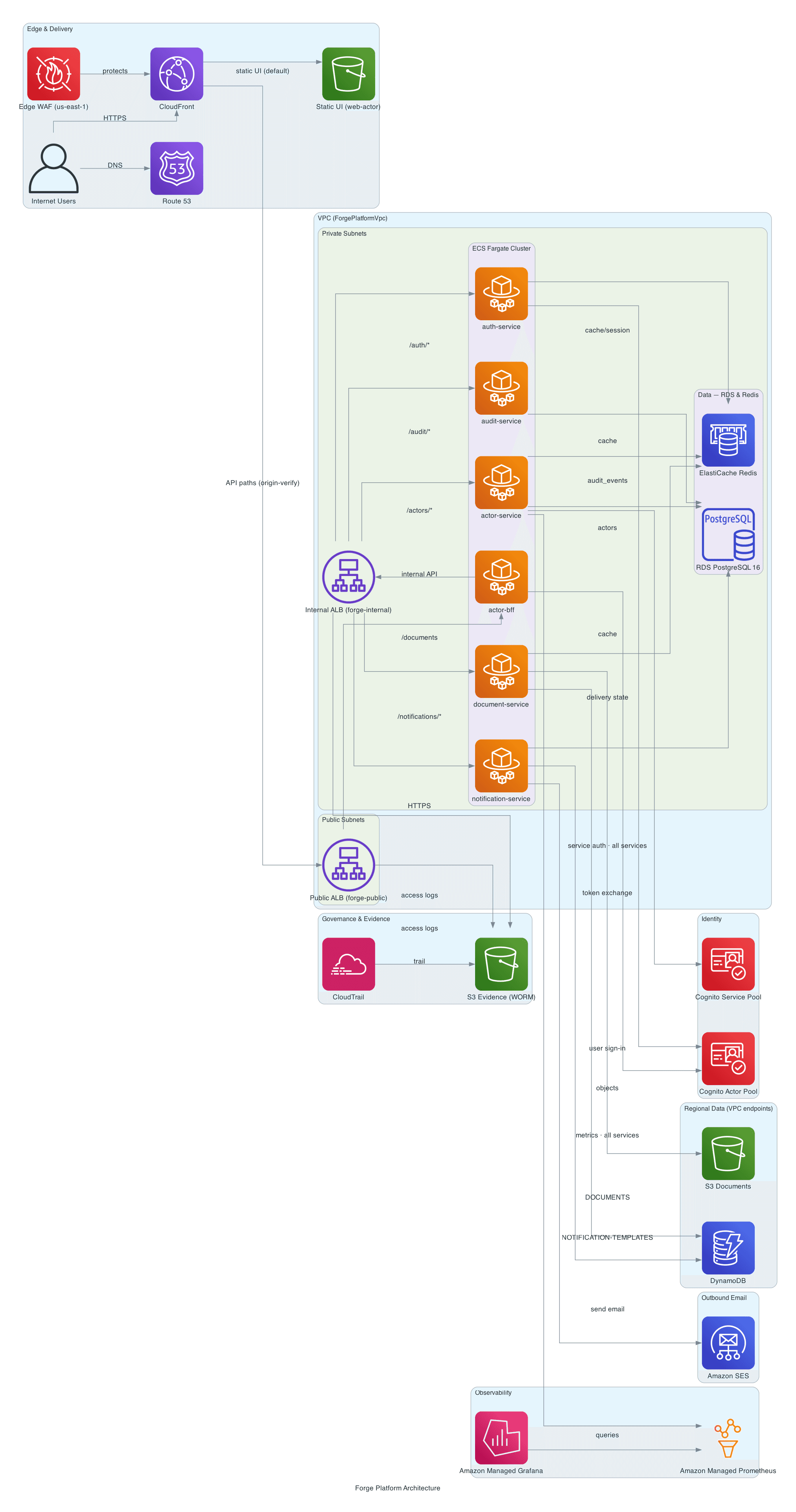
About this app
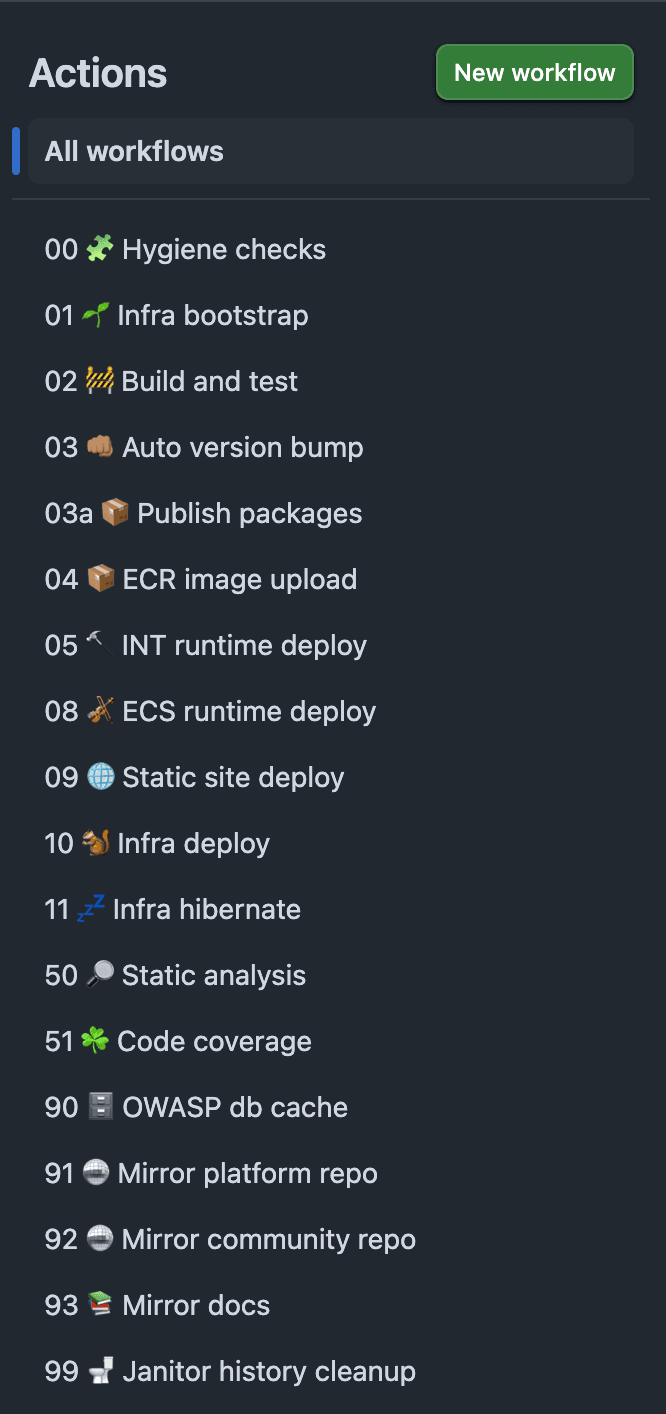
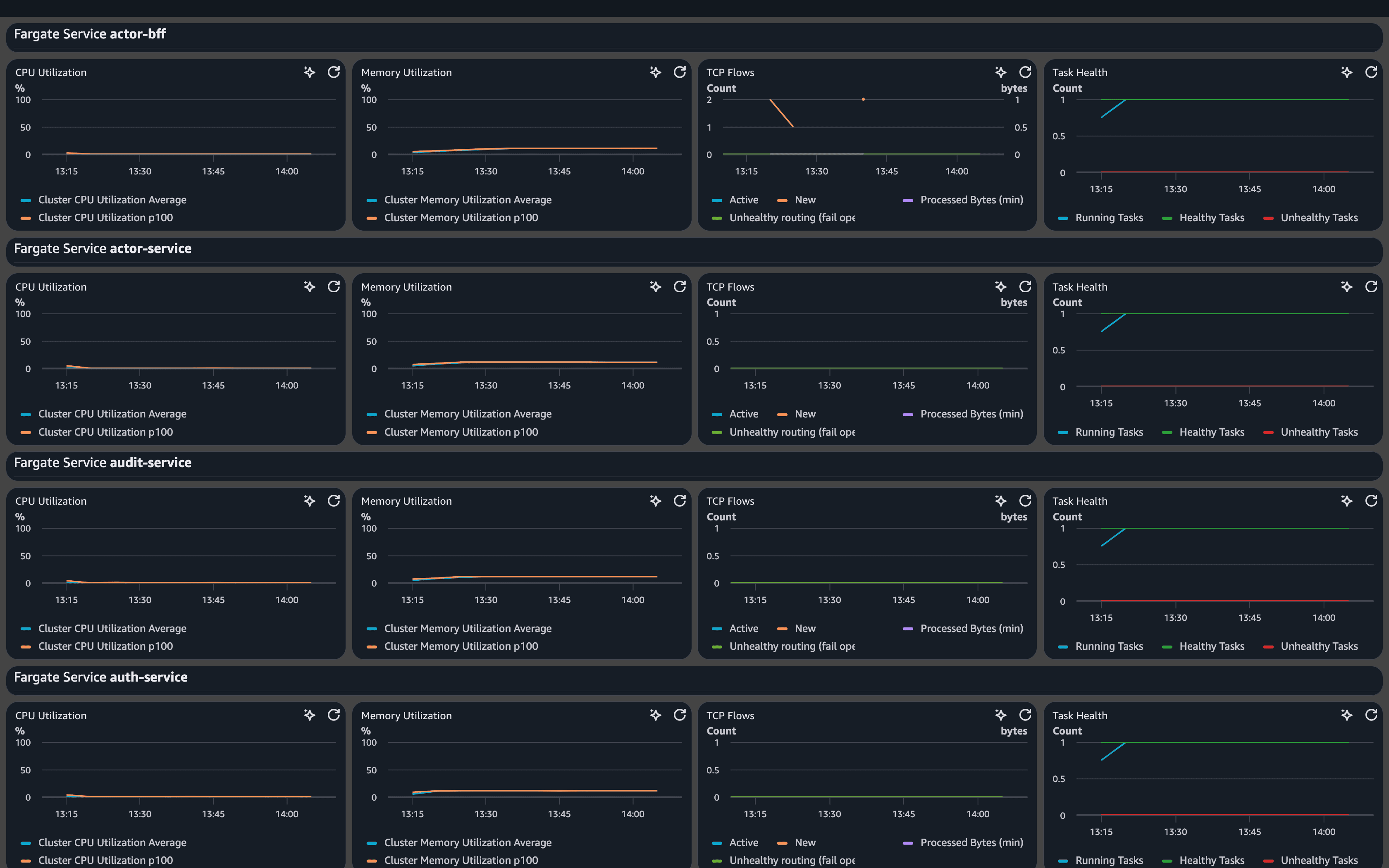
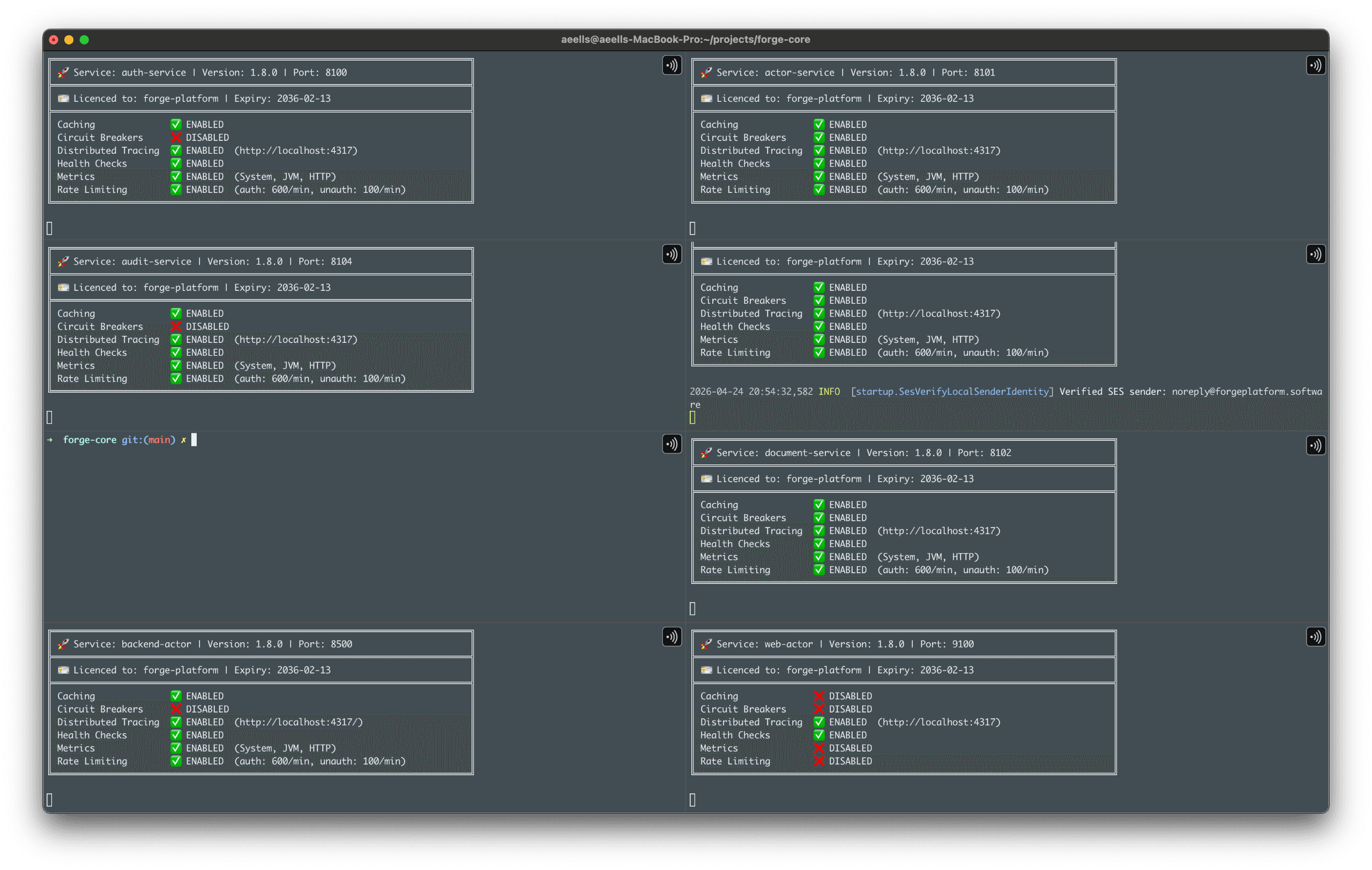
Backbone is a comprehensive platform-as-a-service that equips funded SaaS teams with enterprise-grade operational maturity from day one. Instead of spending months and hundreds of thousands of dollars building foundational infrastructure—like deployment pipelines, security, monitoring, and compliance—Backbone provides a production-ready, cloud-native microservices foundation that you fork into your own GitHub and AWS accounts. It includes core services such as authentication, user management, email notifications, document storage, and audit trails, all built with security, scalability, and compliance in mind. With Backbone, you can focus on building your product's unique value while relying on a battle-tested platform that scales with your business. Development is free with a Community licence. Paid plans unlock full source code and AWS deployments, managed observability, compliance features, and dedicated support.
Key features
- 1Fork a production-ready microservices foundation into your own GitHub and AWS accounts — you own the code, infrastructure, and data
- 2Includes authentication, user management, email notifications, document storage, audit trails, and more out of the box
- 3Free Community licence for development; paid plans from $1,250/month unlock full source code, AWS deployments, managed observability, and compliance features
Target customer profile
Drawn from the product itself, not from a survey.
Demographic
Funded SaaS startups (Seed to Series A)
Pain points
Limited runway, pressure to launch quickly, lack of platform expertise
Primary needs
Fast time-to-market, scalable infrastructure, cost-effective solution
Demographic
CTOs and founding engineers
Pain points
Spending too much time on undifferentiated platform work, risk of rewrites
Primary needs
Production-ready foundation, focus on product differentiation, compliance readiness
Demographic
Security-conscious teams scaling products
Pain points
Meeting enterprise security and compliance requirements, managing infrastructure complexity
Primary needs
SOC 2, GDPR, HIPAA compliance, managed observability, high availability
Scout Review
Written by AI from measured evidence, scored out of 100.
Backbone is a platform-as-a-service that promises 'Year 3 operational maturity on day 1' for funded SaaS teams. The pitch is compelling: skip the $200k-$500k and 18-36 months of DIY platform work by forking a production-ready microservices foundation into your own GitHub and AWS accounts. The product includes authentication, user management, email notifications, document storage, audit trails, and more — all with security, scalability, and compliance in mind. The site is technically credible but sales-gated: no self-serve trial, no live demo, just a discovery call. Design is functional but text-heavy with no product screenshots. Speed is decent on desktop (94/100) but sluggish on mobile (81/100, 4.2s LCP). Security is the biggest gap: the site itself is missing HSTS, CSP, and five other headers, and no SOC 2 or ISO report is published despite 'enterprise-grade' claims. Accessibility is strong (95/100). Growth potential is real but the category is crowded. Overall, Backbone is a solid idea with a credible pitch, but the execution on its own site doesn't yet match the enterprise maturity it sells.
Measure by measure
Usability
54Sales-led onboarding via discovery call, no self-serve trial or live demo. Six-step process is documented but you can't touch the product before talking to sales. Free Community licence for dev is a plus.
Design
62Dark, technical landing page with clear hierarchy and strong headline. Dense copy and zero product screenshots make it feel more like a whitepaper than a product demo. Comparison pages add structure but visual polish is unverified.
Speed
68Lighthouse mobile 81/100, desktop 94/100. LCP 4.2s on mobile is sluggish, but CLS 0 and TBT 0ms show a stable, non-blocking page. No CDN or edge hints verified.
Security
52HTTPS, SPF, DMARC present, but missing HSTS, CSP, frame protection, and four other headers (4/12 checklist). Claims 'security by default' and compliance mapping, but no SOC 2, ISO, or pen-test report published.
Accessibility
78Lighthouse accessibility 95/100 with only two failing audits: insufficient color contrast and missing main landmark. No a11y statement or WCAG claim, but responsive and keyboard-navigable per automated checks.
Growth
58Real pain: $200k-$500k and 18-36 months of DIY platform work. Specific wedge: fork into your own GitHub and AWS, one licence unlimited environments. Crowded category with DuploCloud, Coherence, Encore, but 'own your code' is a real differentiator.
Improvement areas
- No self-serve trial or live demo — onboarding is gated behind a discovery call, which adds friction for technical buyers
- Missing HTTP security headers (HSTS, CSP, frame protection) on the product's own site, and no published SOC 2, ISO, or pen-test report
- Homepage is text-heavy with no product screenshots or UI demos, making it hard to evaluate the actual experience
Design & Usability
Backbone's design is functional but not persuasive. The dark, technical aesthetic and clear headline ('ENTERPRISE FOUNDATIONS. STARTUP SPEED.') set the right tone, but the homepage is a wall of text with zero product screenshots or UI demos. For a platform that promises 'production-ready' infrastructure, showing nothing of the actual experience is a missed opportunity. Usability is similarly sales-gated: no self-serve trial, no live demo, just a 'Book a discovery call' button. The six-step 'How it works' process is well-documented, and the free Community licence for development is a genuine plus, but you can't touch the product before talking to sales. For a technical buyer, that's friction. The comparison pages (DIY, DuploCloud, Coherence, Encore) add structure, but the overall experience feels more like a whitepaper than a product.
Speed & Security
Speed is a mixed bag. Lighthouse mobile performance sits at 81/100 with a 4.2s LCP, which is sluggish for a marketing site. Desktop is a solid 94/100, and CLS 0 with TBT 0ms shows the page is stable and non-blocking. No CDN or edge hints were verified, so the infrastructure behind the site is unclear. Security is where Backbone's own site falls short of its pitch. HTTPS, SPF, and DMARC are present, but HSTS, CSP, frame protection, X-Content-Type-Options, Referrer-Policy, and Permissions-Policy are all missing — only 4/12 checklist points. The product claims 'security by default', 'encryption in transit & at rest', and 'compliance-aware control mapping', but no SOC 2, ISO, or pen-test report is published. For a platform selling enterprise-grade security and compliance readiness, that's a credibility gap. The missing headers on their own site are a bad look.
Accessibility & Growth
Accessibility is a genuine strength: Lighthouse scores 95/100 with only two failing audits — insufficient color contrast and a missing main landmark. The site is responsive and keyboard-navigable per automated checks, but there's no accessibility statement, WCAG conformance claim, or multi-language support mentioned. For a B2B platform, that's acceptable but not exceptional. Growth potential is the most interesting dimension. Backbone targets funded SaaS startups (Seed to Series A) with a real, expensive pain: $200k-$500k and 18-36 months of DIY platform work. The wedge is specific — fork a production-ready microservices foundation into your own GitHub and AWS accounts, one licence unlimited environments. That 'own your code and cloud' positioning is a real differentiator against DuploCloud, Coherence, and Encore, which are either generic DevOps tools or backend frameworks. But the category is crowded, and the $1,250/month price point demands clear ROI. The idea has room to grow, but execution and proof will decide whether it wins.
Conclusion
Backbone is aimed at a real problem: funded SaaS teams burning runway on undifferentiated platform work. The 'fork into your own cloud' model is a genuine differentiator, and the free Community licence for development lowers the barrier to entry. But the product is only as good as its proof. Right now, the site asks for a discovery call before showing anything tangible, and the security headers on its own domain don't match the 'enterprise-grade' promise. If Backbone wants to win over technical buyers, it needs to show the product, publish the compliance evidence, and tighten the security posture of its own site. The idea is worth watching, but the execution needs to catch up to the pitch.
Suggestions for improvement
- Add product screenshots or a short demo video to the homepage — technical buyers need to see the UI and workflow before booking a call.
- Publish a security page with SOC 2, ISO, or pen-test reports, and fix the missing HTTP security headers (HSTS, CSP, frame protection) on your own site.
- Offer a self-serve sandbox or interactive demo so prospects can experience the platform without a sales conversation.
- Improve mobile LCP (currently 4.2s) by optimizing images and leveraging a CDN; desktop is fine but mobile is where CTOs browse.
Alternatives comparison
Named competitors, point by point. Nobody paid to appear here or to be left out.
 Backbone |  DIY (Do It Yourself) | DuploCloud | Coherence | Encore | |
|---|---|---|---|---|---|
| Deployment model | Fork into your own GitHub and AWS accounts; you own the code and infrastructure | Build your own using open-source tools and cloud services; full control but years of work | DevOps automation platform with infrastructure-as-code and compliance for cloud environments | Automates cloud infrastructure and environments for application development | Backend development platform that simplifies building and deploying cloud applications |
| Included core services | Authentication, user management, email notifications, document storage, audit trails, BFF APIs, rate limiting, caching, health checks, observability | Whatever you build yourself; no pre-built services included | Infrastructure automation and compliance; application services not included | Environment automation; application-level services not included | Backend framework with built-in service primitives; infrastructure automation included |
| Pricing model | Free Community licence for development; paid plans from $1,250/month with one licence unlimited environments | $200k-$500k direct engineering cost over 2-3 years, plus 1-2 senior engineers off product for 18-36 months | Subscription-based pricing; varies by cloud environment and usage | Subscription-based pricing; varies by usage and environments | Free tier available; paid plans based on usage and team size |
| Compliance and security features | Claims security by default, encryption in transit & at rest, least-privilege access, compliance-aware control mapping; no published SOC 2/ISO report | You build and certify it yourself; no pre-built compliance | Compliance automation for cloud environments; SOC 2, HIPAA, and GDPR support | Compliance features not prominently advertised; infrastructure automation focus | Security features built into framework; compliance certifications not prominently advertised |
DIY (Do It Yourself)
Building your own platform using open-source tools and cloud services, which can take years and cost hundreds of thousands of dollars.
DuploCloud
A DevOps automation platform that provides infrastructure-as-code and compliance for cloud environments.
Coherence
A platform that automates cloud infrastructure and environments for application development.
Encore
A backend development platform that simplifies building and deploying cloud applications.
Comparing options? See Backbone alternatives, scored side by side
More Development & Engineering apps
View all Development & Engineering
CreateMyCoin
92A no-code Solana token creator that deploys SPL tokens in...

Vibe Coding Agent Skills
92A free, open-source platform offering 110 AI agent skills...

CC Switch
91Open-source desktop app for switching AI coding providers...

TaxID
90Fast EU VAT validation API for developers, covering 27 EU...

BeartIMAGE
88BeartIMAGE is a free, web-based image processing platform engineered for fast, bulk photo editing and conversion directly in your browser.

ButterKit
82macOS app for App Store screenshots: 3D mockups, auto-tra...

DataHabibi
88AI-powered Dubai real estate data platform with 12M+ DLD ...

Claw Messenger
88Claw Messenger is an iMessage API service that gives AI a...

PERM Processing Time: Current DOL Queue & History
88PERM Processing Time is an independent data analysis platform that helps users navigate the U.S. Department of Labor’s permanent labor certification process.

Credyt
87Real-time monetization infrastructure for AI products tha...

ProcessSpy
87A native macOS process explorer and advanced monitor that...

StockFit API
87A developer-first financial data API providing structured...


A platform dedicated to providing unbiased reviews of newly launched applications, analyzing everything from their features to their full potential.
info@scoutforge.net© 2026 Scoutforge. All rights reserved.
